A stain after rain, and a bill you cannot yet size
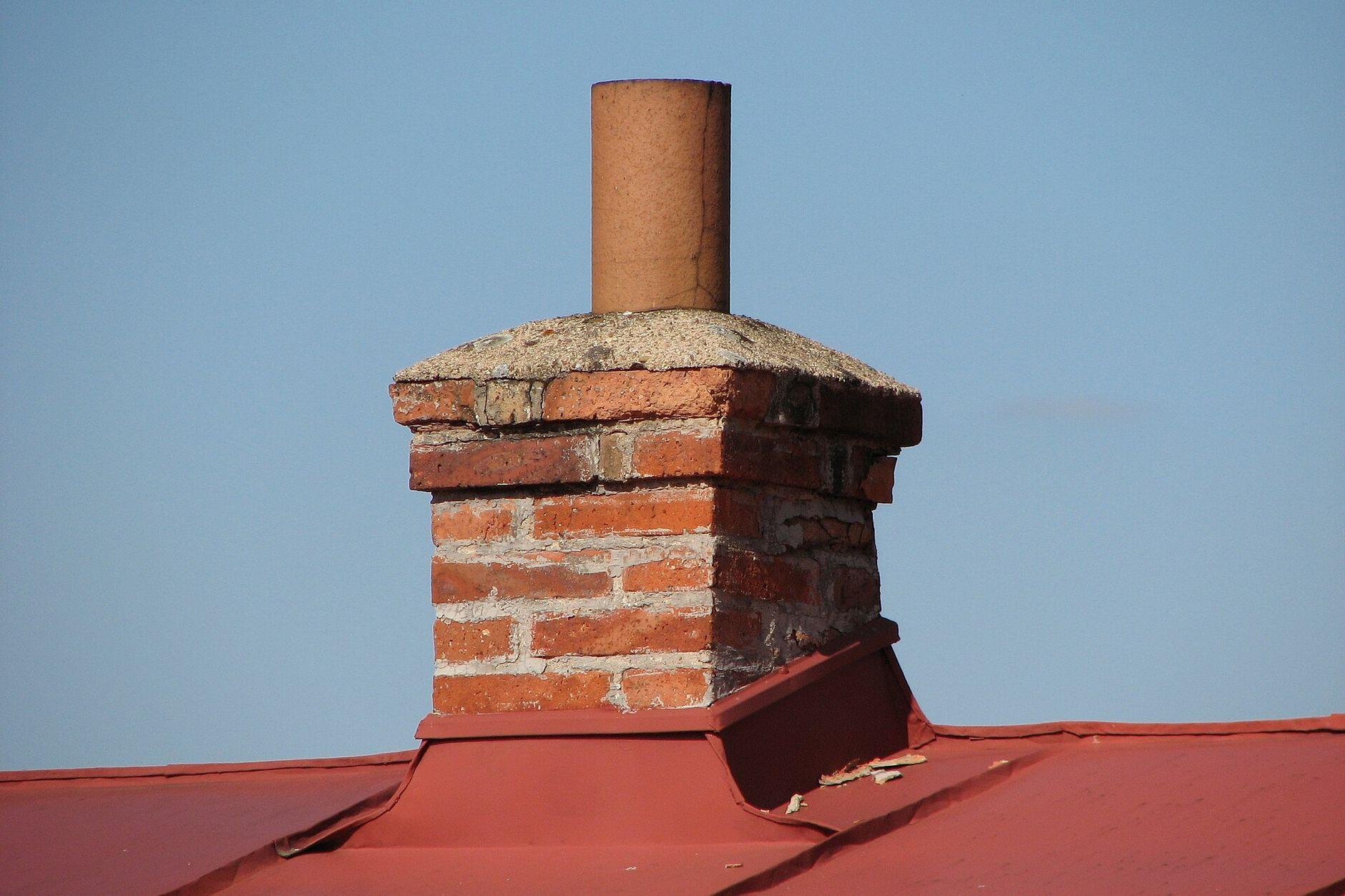
Winter storms in Mission Viejo are short and heavy, and they find every weak spot on an older roof. A chimney is a hole through that roof with a brick column standing in it, so it is often where water gets in first. Owners usually notice a damp patch on the wall beside the fireplace, a mark on the ceiling near the chimney, or a musty smell in the firebox after a storm. Grantham Chimney Pros prices leak repair at $570 to $3,400. This post explains why the range is that wide and where your house is likely to land in it.
Where the water usually comes from
On older houses the source is rarely obvious. The usual suspects are:
- Flashing. The metal that seals the roof to the chimney. On re-roofed houses the old flashing is often left in place and smeared with sealant, and that sealant gives up within a few seasons.
- Brick and mortar. Old brick drinks water once its joints wear open. In a long storm it carries that water through to the inner face of the chimney.
- The crown. The slab at the top. A crack in it lets water into the masonry from above.
- The open top. Without a cap, every shower lands inside the flue.
- The upslope face. Water running down the roof meets the back of a broad chimney and sits there.
Most leaks have more than one source. That is the main reason the price range is wide.
What the range covers
Near $570 sit leaks with a single clear source that a short repair closes, such as refitting and resealing one section of flashing. Toward $3,400 sit the stubborn ones: water entering at two or three points at once, flashing that has to come off and go back on around the whole stack, or masonry soaked through by years of storms.
Several related jobs carry their own published ranges:
- Roof-side water diverter on its own: $455 to $1,030
- Diverter and a full set of fresh flashing: $685 to $1,700
- Ember-screened top for an open flue: quoted after we measure
Crown work, brick sealing and masonry repair carry no list price here. A crown on one house is a single hairline; on the next it is a slab broken in half, and the written figure follows what we find.
Why we find the source before we fix anything
A leak repair that seals the wrong part costs you twice. We start by looking at every possible entry point on the chimney, from the roof, the attic and the firebox. Where the source hides, we wet the suspect areas in turn and watch for where the water appears inside.
On older chimneys we also look for damage the leak has already done: rusted damper parts, soft mortar inside the firebox, stained or rotted framing in the attic. That damage goes in the report so it can be handled in the same visit or planned for later.
Older roofs, older flashing
Many houses in Mission Viejo, Lake Forest, Dana Point and San Clemente carry concrete or clay tile roofs. Tile needs flashing shaped to its profile, and that work is fiddly. When a roof is replaced but the chimney flashing is not, the joint between new roof and old metal stays a weak point for as long as the house stands. If your roof was redone in recent years and the chimney has leaked since, flashing is the first suspect. Our chimney flashing repair page covers that work.
Closer to the coast, salt air shortens the life of steel flashing and old caps. We use stainless or copper where the house allows.
Getting a figure for your leak
The number we give you depends on how many sources the leak has, the roof type and pitch, the state of the flashing, and whether water has harmed anything inside. A visit sets those out, and the quote lists each repair with its price.
For a written leak repair price, send the quote form at the top of this page. Mention the room where the damp appears, whether it follows every storm or just the long soaking ones, and the age of the roof covering. We reply to set a visit.
If the leak has been going on for a while, a Level 2 inspection at $400 may be worth adding. Water that reaches the flue tile can crack it, and a camera shows that where a roof visit cannot. Our post on the Level 2 explains what it adds.
Leaks and the firebox below
A leak does not stay at the top. Water that gets past the crown or the flashing runs down inside the chimney and ends up at the damper and the smoke chamber. Over a few winters it rusts the damper plate solid and softens the mortar around it. If your damper has become hard to move and the chimney has a leak history, the two are likely linked, and our chimney damper repair page covers what the fix involves.
Fixing it so it stays fixed
Once the sources are closed, some chimneys benefit from more: a cricket where water pools behind a wide stack, a cap where the flue is open, or a breathable sealer on brick that soaks up water. Chimney waterproofing and chimney leak repair have more on those. We only suggest what your chimney needs, and the quote says why each item is on it.
On older houses we also keep the look in mind. New flashing is cut and bent to sit neatly against the original brick, and any brick we replace is matched as closely as we can find. A dry chimney that still looks like part of the house is the goal.
Next
Use our contact page to get the leak looked at before the next storm finds it again.
An Older Chimney of Your Own?
Grantham Chimney Pros looks at the brick, the firebox and the flue the way they were built, keeps what is sound and puts a written price on the rest. Send the form from Mission Viejo, Lake Forest, Dana Point, San Clemente or a nearby town.