Two repairs that often get confused
A camera inspection on an older chimney sometimes returns a hard answer: the flue needs work. For owners in Mission Viejo, the next question is whether that means a new liner, a rebuild or both. They are different jobs that fix different failures, and at Grantham Chimney Pros we see them mixed up often enough to set the difference out here.
What a liner fixes
The flue is the passage smoke and gas travel up. In most chimneys from the 1960s and 1970s it is made of clay tiles stacked one on another inside the brick. Clay tile does its job well while it stays whole. Once tiles crack or the joints between them open, heat and exhaust can reach the brick and the wood framing nearby.
A liner replaces that passage without taking the chimney apart. The common choices are:
- A stainless steel liner, lowered from the top, joined to the appliance or firebox at the bottom and capped. It suits wood fireplaces, inserts and gas appliances, each sized to its own needs.
- A cast-in-place liner, where a form goes down the flue and a heat-resistant lining is cast around it. It suits flues damaged along much of their length and can add some strength to the inside of the chimney.
Relining makes sense when the masonry outside is sound. The brick stands straight, the mortar holds, and the trouble is inside. See chimney liner installation for the job itself.
What a rebuild fixes
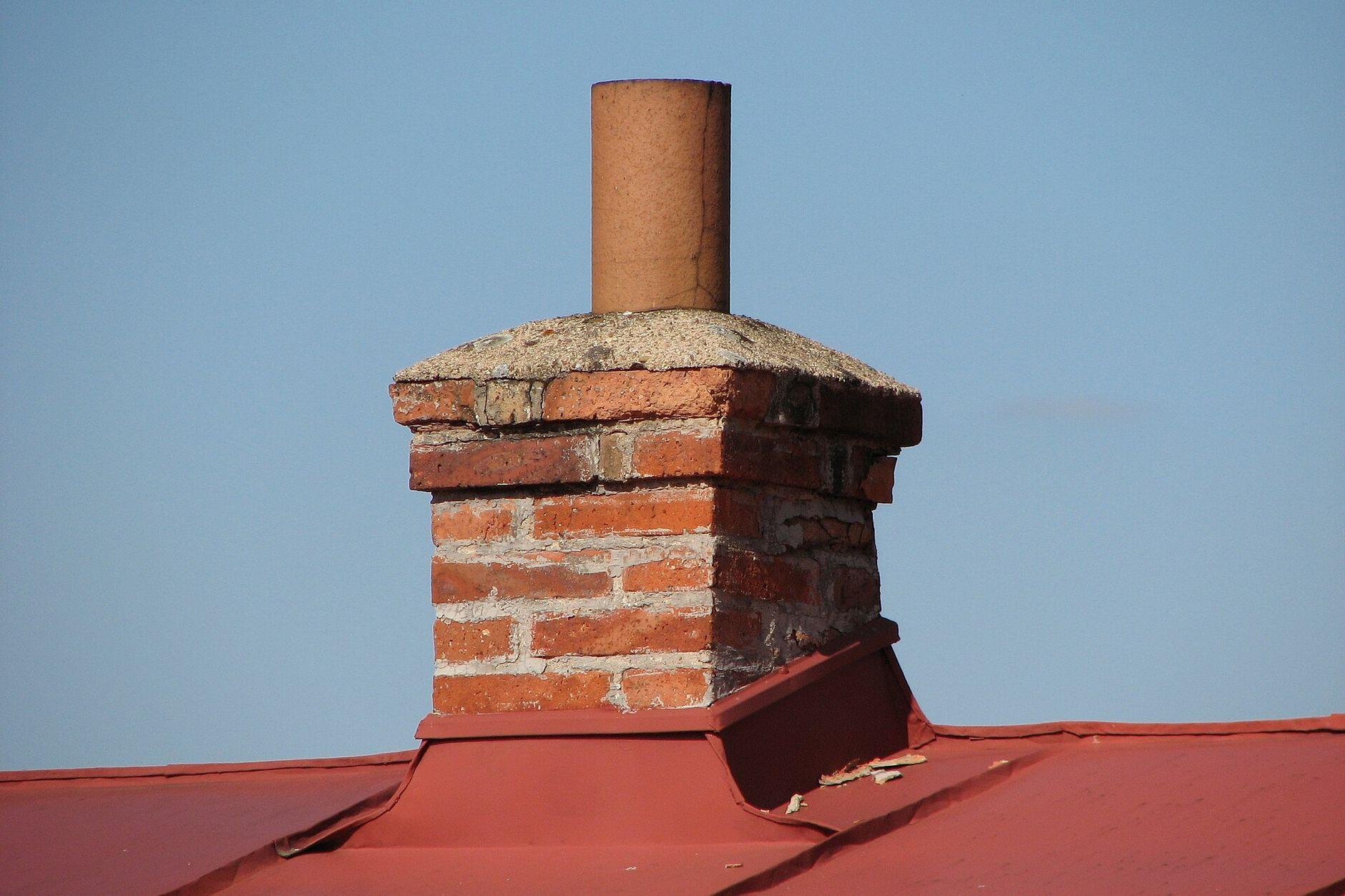
A rebuild deals with the brick. If the stack above the roof is leaning, cracked through or shedding mortar so badly that bricks lift out by hand, a new liner inside does nothing for it. The damaged part has to come down and go back up.
Most rebuilds on houses here are partial. We take the stack down to where the brick sits tight and solid, and lay it back up with new mortar, a new crown and a cap. A rebuild that goes much deeper is uncommon and is kept for chimneys where the damage runs well below the roofline.
A rebuild is also the moment to deal with quake risk. Brick above the roof is heavy and has little holding it in place. When we rebuild, we can talk through seismic retrofit options such as bracing, or a lighter top section in place of solid brick. The chimney rebuilds page covers that work.
When both are needed
Some older chimneys need both. Loose brick above the roof and cracked tile inside often share a cause: years of water, heat and movement. If the top is being rebuilt, relining at the same time can make sense, while the top is open and the crew only has to set up on the roof once.
The reverse also happens. A rebuilt top on a flue with cracked tile below it still leaves the inside unsafe. We would rather say that in the quote than have you find out at the next inspection.
How the choice gets made
The camera decides most of it. A Level 2 inspection at $400 records the full height of the flue and lets us look at the brick from the roof and the attic. From that we can tell you:
- Whether the tile can stay, needs a liner, or is past either
- Whether the masonry is sound enough to hold a liner without other work
- How far down any loose or cracked brick goes
- What the appliance you burn, or plan to burn, needs from the flue
With that in hand, the quote is specific to your chimney.
For a written price on relining, rebuilding or both, fill in the quote form at the top of this page. Mention what your last inspection found, if you have one, and what the fireplace burns now. We get back to you to arrange the visit.
What decides the price of each
Neither job has a list price on this site, because both depend on the chimney in front of us.
For a liner, the figure turns on the flue's height and inside size, whether it has bends or offsets, the material, and what has to happen at the bottom to join it up. An old throat damper often has to be taken out first.
For a rebuild, it turns on how many courses come down, the roof type and pitch, how hard the brick is to match, and whether bracing is part of the plan.
If you are also planning a gas or wood insert, say so early. An insert needs its own liner sized to it, and planning that alongside other flue work avoids paying for the same job twice. On our price list, a gas heater fitted into the fireplace opening you already have runs $2,850 to $5,700, and the fireplace inserts page covers the options.
Gas, wood and the flue you need
The fuel matters more than people expect. A wood fire needs a flue sized for the smoke it makes and a lining that can take high heat if creosote ever catches. Gas exhaust is cooler and wetter, and it can condense inside an oversized old flue, which wears the mortar from within. So a liner chosen for gas is not always right for wood, and the reverse. When you plan the work, tell us how you intend to use the fireplace for the next twenty years, not only the last twenty.
What we would not do
We would not reline a chimney whose top is ready to fall, and we would not rebuild a sound chimney to cure a problem a liner would solve. Each mistake costs more than it needs to, in a different way. On an older house, the aim is the smallest repair that leaves the whole chimney safe, and our masonry cost guide explains the brick side of that in more detail.
Next
When you would like a camera through your flue and a straight answer on which repair it needs, head to our contact page and tell us about the chimney.
An Older Chimney of Your Own?
Grantham Chimney Pros looks at the brick, the firebox and the flue the way they were built, keeps what is sound and puts a written price on the rest. Send the form from Mission Viejo, Lake Forest, Dana Point, San Clemente or a nearby town.